Dr. Babasaheb Ambedkar Writings and Speeches Vol. 4
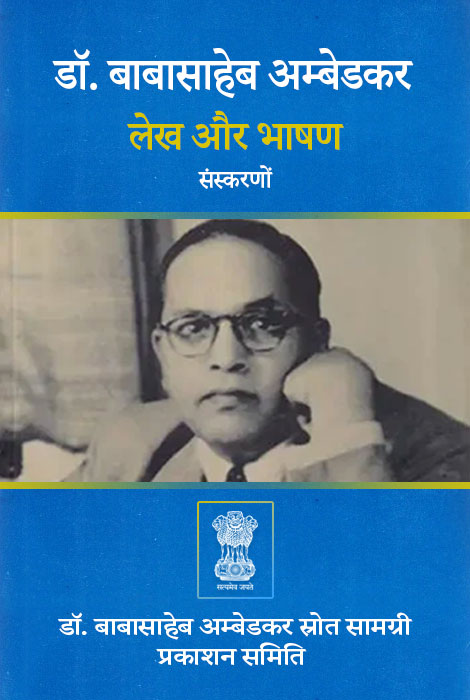
Dr. Babasaheb Ambedkar Writings and Speeches Vol. 4
₹ 00.00/- FREE
Dr. Babasaheb Ambedkar Source Material Publication Committee
Description
Overview of the Volume
Dr. Bhimrao Ambedkar, a prominent scholar and social reformer, authored a significant body of work that critiques various aspects of Hinduism, particularly Brahmanic theology. His writings in “Writings and Speeches Vol. 4” focus on the inconsistencies within Brahmanism, exploring its religious, social, and political dimensions through a series of riddles that challenge established beliefs.
Part I: Religious Aspects
In the first section, Dr. Ambedkar examines the contradictions inherent in Brahmanic texts and beliefs. He highlights issues such as:
Inconsistencies in Vedic Origin Stories: Dr. Ambedkar notes that there are eleven different origin stories for the Vedas, none of which correlate directly with one another.
Human Composition of Hymns: He argues that while hymns from the Rig Veda are deemed eternal, they acknowledge both ancient and modern rishis, suggesting human authorship rather than divine infallibility.
Moral Value of the Vedas: Dr. Ambedkar questions whether the Vedas provide any genuine spiritual or moral guidance, pointing out that much of their content reflects primitive life rather than ethical principles.
Part II: Social Implications
The second part delves into the social ramifications of Brahmanical doctrine:
Varnashram Dharma: Dr. Ambedkar critiques the rigid structure imposed by the four stages of life (ashrams) and questions why certain life stages are emphasized over others.
Caste System Explanations: He discusses how different texts offer varying explanations for caste classification, noting discrepancies between early Vedic texts and later interpretations found in works like Manu Smriti.
Classification of Castes: The volume addresses Manu’s detailed categorization of castes and raises questions about the rationale behind these classifications.
Part III: Political Dimensions
In this final section, Dr. Ambedkar argues against the non-democratic nature of Brahmanism:
Contrast with Brahmaism: He distinguishes between Brahmanism and Brahmaism (a more egalitarian strand), asserting that true democracy cannot flourish under a system that enforces strict caste hierarchies.
Kali Yuga Concepts: Dr. Ambedkar critiques how Hindu ages are defined and how practices from earlier eras are treated ambiguously in Kali Yuga, questioning why prohibitions exist without outright condemnation.
Through these explorations, Dr. Ambedkar seeks to illuminate the contradictions within Brahmanic thought while advocating for a more equitable society.
Conclusion
Overall, “Writings and Speeches Vol. 4” serves as a critical examination of Hindu theology through Dr. Ambedkar’s lens as a reformer dedicated to social justice for marginalized communities.
Reviews
There are no reviews yet.
Be The First To Review “The Innovator
Related Books

Dr. Bhimrao Ramji Ambedkar, popularly known as Babasaheb Ambedkar, was a jurist, social reformer and politician ...
BE Initiative