Dr. Babasaheb Ambedkar Writings and Speeches Vol. 14
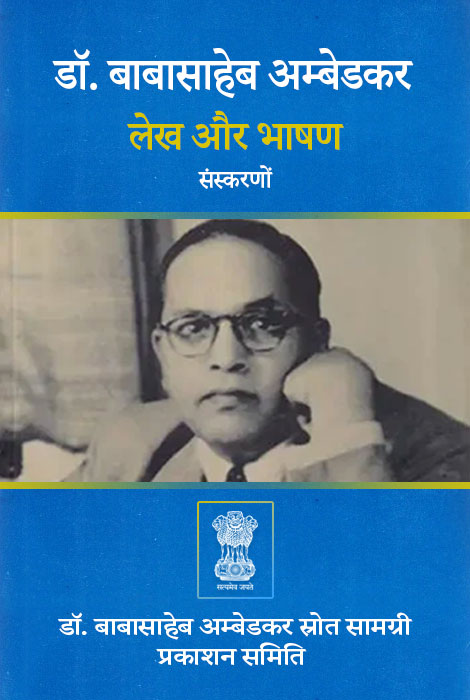
Dr. Babasaheb Ambedkar Writings and Speeches Vol. 14
₹ 00.00/- FREE
Dr. Babasaheb Ambedkar Source Material Publication Committee
Description
Overview of Volume 14
Volume 14 of “Dr. Babasaheb Ambedkar Writings and Speeches” is a significant collection that focuses on Dr. B.R. Ambedkar’s discussions and debates regarding the Hindu Code Bill, which aimed to reform Hindu personal law in India. This volume is crucial for understanding Ambedkar’s vision for gender equality and social justice within the framework of Indian law.
Content Structure
The volume is divided into two parts: Part I contains general discussions on the Hindu Code Bill, while Part II includes a clause-wise analysis of the bill itself. The discussions span from November 17, 1947, to April 9, 1948, capturing the extensive debates that took place in the Constituent Assembly regarding this landmark legislation.
Significance of the Hindu Code Bill
The Hindu Code Bill was introduced by Dr. Ambedkar on April 11, 1947, as a comprehensive attempt to codify and amend laws governing marriage, divorce, inheritance, and adoption among Hindus. It was designed to ensure equality between men and women in these areas, reflecting Ambedkar’s commitment to social reform and his belief in constitutional guarantees of equality.
Despite its progressive intentions, the bill faced considerable opposition from various quarters within society and politics. The debates highlighted deep-seated cultural norms and resistance to change regarding women’s rights in India.
Ambedkar’s Resignation
The prolonged discussions surrounding the Hindu Code Bill culminated in frustration for Dr. Ambedkar due to delays in its passage through Parliament. On September 27, 1951, he resigned from his position as India’s first Minister of Law and Justice as a protest against these delays, underscoring his dedication to implementing reforms that would benefit marginalized communities.
Legacy
Ambedkar’s efforts through the Hindu Code Bill laid foundational principles for future legal reforms concerning gender equality in India. His advocacy for women’s rights continues to resonate today as part of ongoing discussions about social justice and legal equity.
In summary, Volume 14 serves not only as a historical document but also as an essential reference for understanding Dr. Ambedkar’s role in shaping modern Indian law with respect to personal rights and gender equality.
Reviews
There are no reviews yet.
Be The First To Review “The Innovator
Related Books

Dr. Bhimrao Ramji Ambedkar, popularly known as Babasaheb Ambedkar, was a jurist, social reformer and politician ...
BE Initiative