Dr. Babasaheb Ambedkar Writings and Speeches Vol. 17 Part 3
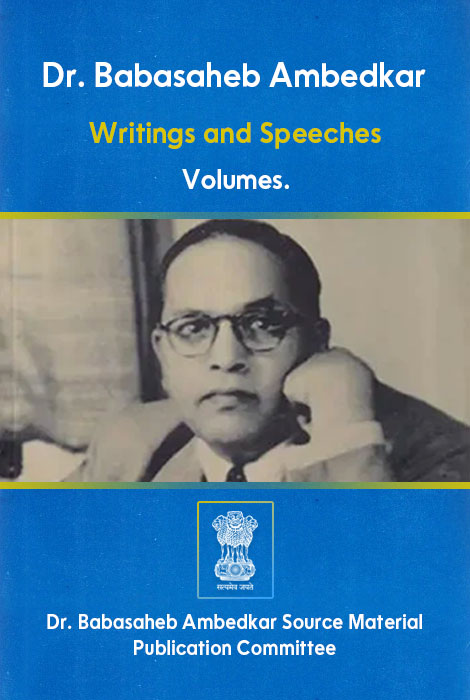
Dr. Babasaheb Ambedkar Writings and Speeches Vol. 17 Part 3
₹ 00.00/- FREE
Dr. Babasaheb Ambedkar Source Material Publication Committee
Description
Dr. B. R. Ambedkar’s Vision for Political and Social Reform
Dr. B. R. Ambedkar, a prominent social reformer and the principal architect of the Indian Constitution, articulated a vision for political and social reform that was deeply rooted in the principles of equality, justice, and empowerment for marginalized communities, particularly the Scheduled Castes (SC) and Scheduled Tribes (ST). His writings and speeches reflect a comprehensive approach to addressing the systemic inequalities entrenched in Indian society.
Political Empowerment of the Depressed Classes
Ambedkar emphasized that political power is essential for the upliftment of the Depressed Classes. He argued that without representation in legislative bodies, these communities would remain subjugated under the dominance of higher castes. He famously stated, “Untouchables must have political power,” underscoring his belief that true emancipation could only be achieved through active participation in governance.
Social Reform Through Education and Organization
Education was another cornerstone of Ambedkar’s philosophy. He believed that progress for any community is intrinsically linked to education, stating, “Progress of a community always depends upon Education.” He encouraged individuals from marginalized backgrounds to pursue education as a means to empower themselves and challenge existing social hierarchies.
Conversion as Emancipation
Ambedkar also proposed conversion as a pathway to liberation from caste oppression. He famously declared his intention to renounce Hinduism, stating, “Unfortunately I was born a Hindu untouchable but I will not die a Hindu.” This declaration was not merely personal; it symbolized a broader call for those oppressed by caste discrimination to seek alternative spiritual frameworks that promote equality and dignity.
Conclusion: A Legacy of Struggle
In summary, Dr. B. R. Ambedkar’s writings encapsulate his unwavering commitment to fighting against caste-based discrimination through political empowerment, educational advancement, organized collective action, and spiritual transformation via conversion. His legacy continues to inspire movements aimed at achieving social justice in India today.
Reviews
There are no reviews yet.
Be The First To Review “The Innovator
Related Books

Dr. Bhimrao Ramji Ambedkar, popularly known as Babasaheb Ambedkar, was a jurist, social reformer and politician ...
BE Initiative