Dr. Babasaheb Ambedkar Writings and Speeches Vol. 14 Part 2
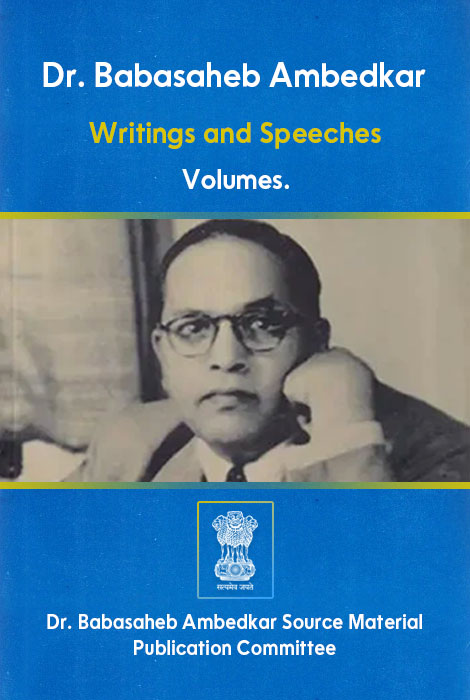
Dr. Babasaheb Ambedkar Writings and Speeches Vol. 14 Part 2
₹ 00.00/- FREE
Dr. Babasaheb Ambedkar Source Material Publication Committee
Description
Background of the Hindu Code Bill
The Hindu Code Bill was a comprehensive piece of legislation consisting of 139 articles that addressed critical issues such as polygamy, inter-caste marriages, and women’s rights in matters of inheritance and divorce. The discussions surrounding the bill began in earnest after India’s independence in 1947 and continued for several years due to various political and social challenges.
Key Provisions and Debates
One of the central clauses discussed was Clause 2 of the Bill concerning its application. This clause specified that the code would apply not only to Hindus but also to Buddhists, Jains, and Sikhs while explicitly excluding Muslims, Christians, Parsis, or Jews. This exclusion led to debates about whether personal laws should be uniformly applicable to all citizens regardless of their religion. Members like V.S. Sarwate argued that such discrimination was unjustifiable.
Constitutional Validity
Concerns were raised regarding the constitutional validity of the bill with some members claiming it infringed upon Fundamental Rights guaranteed under Articles 15(1) (prohibiting discrimination) and Article 25(1) (freedom of religion). In response, Ambedkar clarified that Parliament held sovereign authority over personal laws across communities except where specific religious practices were concerned.
Reviews
There are no reviews yet.
Be The First To Review “The Innovator
Related Books

Dr. Bhimrao Ramji Ambedkar, popularly known as Babasaheb Ambedkar, was a jurist, social reformer and politician ...
BE Initiative