Dr. Babasaheb Ambedkar Writings and Speeches Vol. 17 Part 1
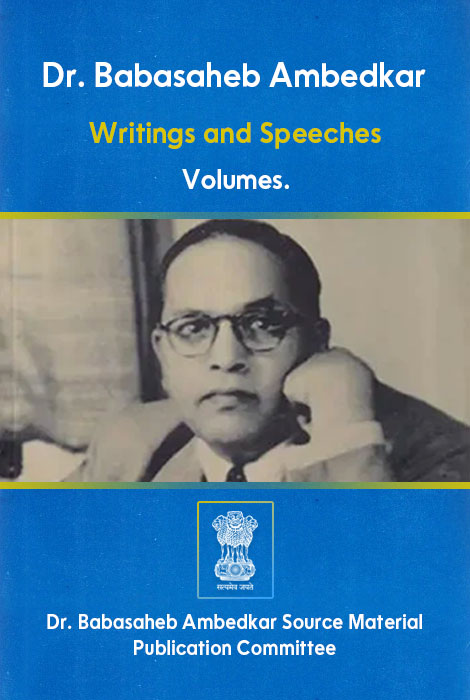
Dr. Babasaheb Ambedkar Writings and Speeches Vol. 17 Part 1
₹ 00.00/- FREE
Dr. Babasaheb Ambedkar Source Material Publication Committee
Description
Key Themes in Volume 17, Part 1
Social Justice and Equality: Ambedkar consistently emphasized the need for social justice as a fundamental right for all individuals, especially those from Scheduled Castes and other marginalized groups. He argued that true democracy cannot exist without ensuring equal rights and opportunities for every citizen.
Critique of Caste System: A significant portion of his work addresses the caste system’s injustices. He believed that the caste system was a major barrier to social progress and advocated for its abolition as essential for India’s development.
Political Rights: Ambedkar was a strong proponent of political representation for the oppressed classes. He fought against their exclusion from political processes and worked towards securing adequate safeguards within the political framework of India.
Economic Empowerment: In his writings, he often highlighted the importance of economic upliftment as a means to achieve social equality. He proposed various measures aimed at improving the economic conditions of marginalized communities.
Religious Conversion: Ambedkar’s thoughts on conversion are also pivotal in this volume; he viewed conversion to Buddhism as a path to liberation from caste oppression. His own conversion to Buddhism in 1956 marked a significant moment in his life and philosophy.
Education as Empowerment: Education was another critical area where Ambedkar focused his efforts. He believed that education was vital for empowerment and urged members of marginalized communities to pursue it vigorously.
Women’s Rights: Ambedkar also addressed issues related to women’s rights within his broader advocacy for human rights, arguing that gender equality is integral to achieving social justice.
Constitutional Framework: As an architect of the Indian Constitution, many writings discuss how constitutional provisions can be leveraged to protect the rights of marginalized groups.
Historical Context: The volume may include discussions on historical injustices faced by untouchables and other oppressed classes throughout Indian history, providing context for his advocacy.
Philosophical Underpinnings: Finally, Ambedkar’s philosophical reflections on Buddhism serve as both a critique of Hindu orthodoxy and an exploration of alternative spiritual paths that promote equality.
Reviews
There are no reviews yet.
Be The First To Review “The Innovator
Related Books

Dr. Bhimrao Ramji Ambedkar, popularly known as Babasaheb Ambedkar, was a jurist, social reformer and politician ...
BE Initiative