Dr. Babasaheb Ambedkar Writings and Speeches Vol. 9
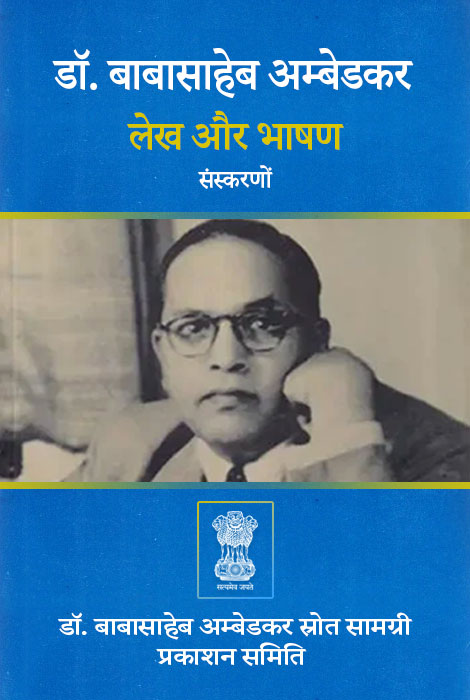
Dr. Babasaheb Ambedkar Writings and Speeches Vol. 9
₹ 00.00/- FREE
Dr. Babasaheb Ambedkar Source Material Publication Committee
Description
Overview of Volume 9
The ninth volume of Dr. Babasaheb Ambedkar’s writings, published as part of a comprehensive series titled Dr. Babasaheb Ambedkar: Writings and Speeches, focuses on the critical examination of the relationship between Dr. Ambedkar, Mahatma Gandhi, and the Indian National Congress regarding the status and rights of Untouchables in India. This volume is divided into two main parts or books that delve into these complex interactions.
Book 1: What Congress and Gandhi have done to the Untouchables
This section provides a historical analysis of the actions taken by the Indian National Congress from 1917 to 1935 concerning Untouchables. Dr. Ambedkar articulates his belief that constitutional safeguards are essential for securing rights for Untouchables, contrasting sharply with Gandhi’s perspective that emphasized social reform over political representation. A significant point of contention was the issue of separate electorates for Untouchables, which Dr. Ambedkar argued was necessary for their political empowerment.
Gandhi opposed this notion, fearing it would create divisions within Hindu society and undermine national unity. The culmination of their disagreement was highlighted during Gandhi’s fast unto death in 1932 against the Communal Award, which proposed separate electorates for Untouchables. The eventual compromise reached through the Poona Pact resulted in increased legislative representation for Untouchables but eliminated their right to separate electorates, which Dr. Ambedkar viewed as a betrayal that left them politically vulnerable.
In this book, Dr. Ambedkar critiques not only Gandhi’s approach but also questions the sincerity of Congress’s support for Untouchable rights, suggesting that it was more about political strategy than genuine concern for social justice.
Book 2: Mr. Gandhi and the Emancipation of the Untouchables
The second part is based on a paper presented by Dr. Ambedkar at a conference in Quebec in December 1942 and addresses broader demands for emancipation among Untouchables beyond mere political representation. He emphasizes that true freedom cannot be achieved without addressing social, economic, and educational inequalities faced by this marginalized group.
Dr. Ambedkar argues that the entrenched social structures perpetuate untouchability and advocates for geographical separation as a means to dismantle these oppressive systems—suggesting that creating exclusive settlements for Untouchables could help eliminate discrimination based on caste distinctions.
He calls upon international audiences to critically assess Congress’s claims regarding minority rights, warning against superficial promises that lack substantive implementation strategies.
Conclusion
Volume 9 serves as an essential resource for understanding Dr. Ambedkar’s perspectives on caste politics in India and his advocacy for Dalit rights amidst conflicting ideologies represented by figures like Gandhi and organizations such as the Indian National Congress.
Reviews
There are no reviews yet.
Be The First To Review “The Innovator
Related Books

Dr. Bhimrao Ramji Ambedkar, popularly known as Babasaheb Ambedkar, was a jurist, social reformer and politician ...
BE Initiative