Dr. Babasaheb Ambedkar Writings and Speeches Vol. 17
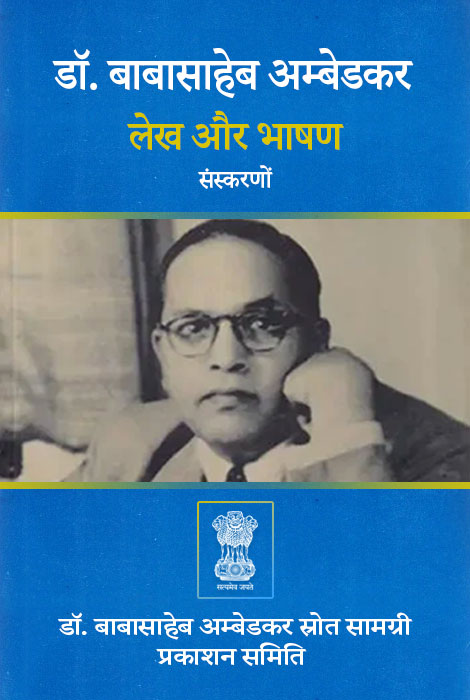
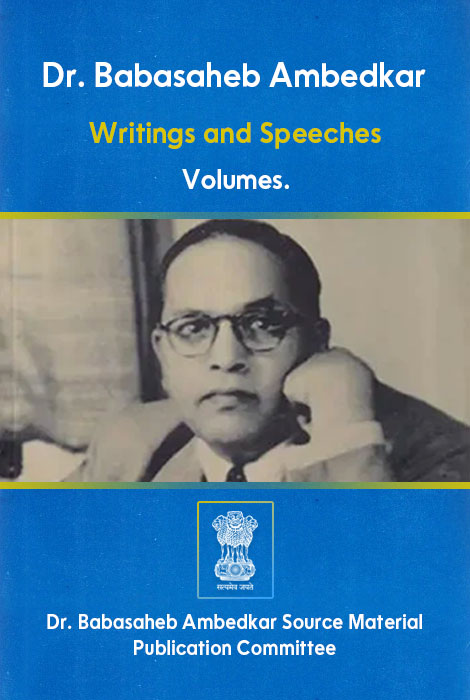
Dr. Babasaheb Ambedkar Writings and Speeches Vol. 17
₹ 00.00/- FREE
Dr. Babasaheb Ambedkar Source Material Publication Committee
Description
Content Overview
Volume 17 includes a range of writings that reflect Ambedkar’s deep engagement with social issues, particularly those related to caste discrimination and the rights of Dalits (formerly referred to as “Untouchables”). His works often critique the existing social order and advocate for radical changes to ensure justice and equality for all citizens.
Historical Context: Understanding Ambedkar’s writings requires an appreciation of the historical context in which he operated. Born into a Dalit family in 1891, he faced systemic discrimination throughout his life. His experiences informed his advocacy for social reform and legal protections for marginalized groups.
Key Themes:
Caste System Critique: Ambedkar vehemently opposed the caste system, which he viewed as a significant barrier to social progress and equality. He argued that caste-based discrimination was not only a moral issue but also an impediment to national development.
Social Justice: A recurring theme in his speeches is the need for social justice through legislative reforms. He believed that laws should be enacted to protect the rights of disadvantaged groups.
Political Empowerment: Ambedkar emphasized the importance of political representation for marginalized communities. He advocated for reserved seats in legislatures as a means to ensure their voices were heard in governance.
Impact on Indian Society: The writings in Volume 17 illustrate how Ambedkar’s ideas have influenced contemporary discussions about caste, class, and gender in India. His advocacy laid the groundwork for future movements aimed at achieving equality and justice.
Legacy: Dr. Ambedkar’s contributions extend beyond his lifetime; they continue to inspire activists and scholars who seek to address systemic inequalities within Indian society today.
In summary, Dr. Babasaheb Ambedkar Writings and Speeches Vol. 17 serves as an essential resource for understanding his vision for an equitable society free from caste-based discrimination, highlighting both historical injustices and pathways toward reform.
Reviews
There are no reviews yet.
Be The First To Review “The Innovator
Related Books

Dr. Bhimrao Ramji Ambedkar, popularly known as Babasaheb Ambedkar, was a jurist, social reformer and politician ...
BE Initiative